7 Mistakes You're Making with Your Google Business Profile and How to Fix Them
If you run a local business in Broken Arrow or Tulsa, your Google Business Profile is effectively your digital front door. Customers rarely scroll past the first three map results when looking for a plumber, a lawyer, or a new coffee shop. If your profile is messy, outdated, or incomplete, you are essentially hanging a "closed" sign over your business while your competitors across town are picking up all the leads.
I see the same technical errors repeatedly. Business owners often treat their profile like a "set it and forget it" yellow pages listing. That mindset is a mistake. Google treats your profile as a living entity. If it looks stale to the algorithm, you will drop in rankings.
Here are the seven most common mistakes I see local businesses making and exactly how to fix them to improve your visibility.
1. Failing the Modern Video Verification Test
Google has moved away from the old postcard system for many industries. The standard now is often a live or recorded video verification. Many business owners start this process, realize they have to walk around their office or show their equipment on camera, and then give up halfway through.
An unverified profile is invisible. Even if you have been in business in Tulsa for twenty years, Google will not show your profile in the "Local Pack" until that verification is green-lit.
The fix is straightforward but requires a bit of effort. Prepare your space. Make sure you have your business license, your branded vehicle, or your office signage ready to show. Complete the video in one take. If you move locations or change your phone number, be prepared to do it again. Google is aggressive about verification now to fight spam.
2. Getting Cute with Your Business Categories
One of the biggest levers for local SEO services Tulsa businesses is the Primary Category. This tells Google what you are, not just what you do. I often see businesses picking a category that is too broad or, worse, picking five secondary categories that have nothing to do with their core business.
If you are a "Personal Injury Attorney," do not set your primary category to just "Lawyer." You are competing with every divorce and estate attorney in the city for no reason.
The fix is to audit your competitors. Look at who is ranking in the top three for your most important search term. Use a tool or just look closely at their profile to see their primary category. Match the one that is most specific to your highest-value service. Add secondary categories only if they represent a significant part of your revenue. Adding too many dilutes your relevance for your main service.
3. The "Digital Ghost" NAP Inconsistency
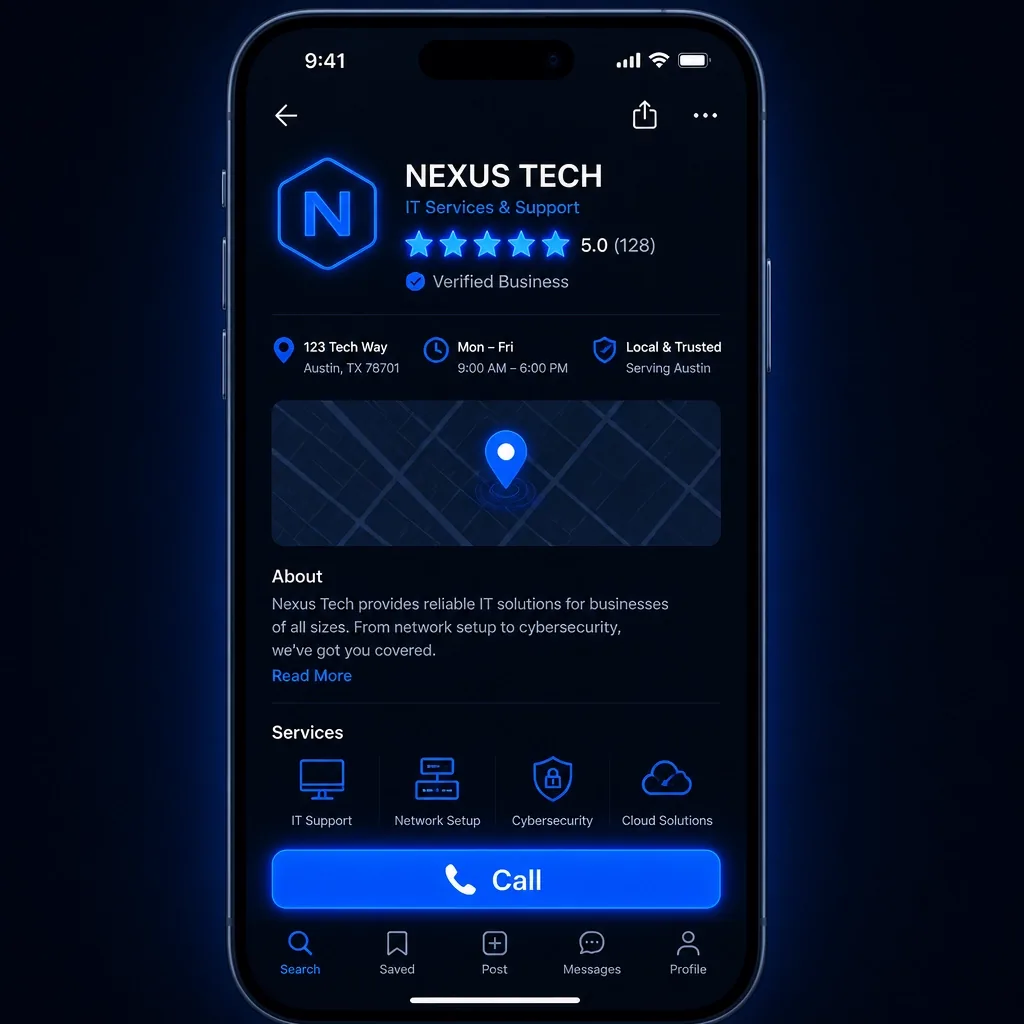
NAP stands for Name, Address, and Phone number. This sounds basic, but it is where many web design Tulsa projects fail to connect the dots. Google's algorithm cross-references your profile against your website, your Facebook page, and local directories like the Broken Arrow Chamber of Commerce.
If your website says "Suite 101" and your Google profile says "Unit 101," or if you use a tracking number on your profile that does not match the main line on your site, Google gets confused. In the world of search algorithms, confusion equals lower rankings.
The fix is to pick one format and stick to it. Copy the exact text from your Google profile and paste it into the footer of your website. If you are using a call tracking number, make sure your "Primary" number on Google is the tracking line, but keep your local office line as the "Additional" number. This maintains the data link.
4. Leaving the Services and Products Sections Blank
Many owners think the "Description" is enough. It is not. Google has dedicated sections for "Services" and "Products," and both are indexed. If someone in Jenks searches for "emergency water heater repair" and you have that specific service listed with a description, you are much more likely to show up than a plumber who just has "Plumbing" as a category.
This is where you can win on long-tail searches. People search for specific solutions, not just general categories.
The fix is to spend an hour building out your service list. Do not just list the name. Write a 50 to 100-word description for every major service you offer. Treat it like a mini sales page. It helps the customer and it helps Google understand the depth of your expertise.
5. Relying on Generic Stock Photos
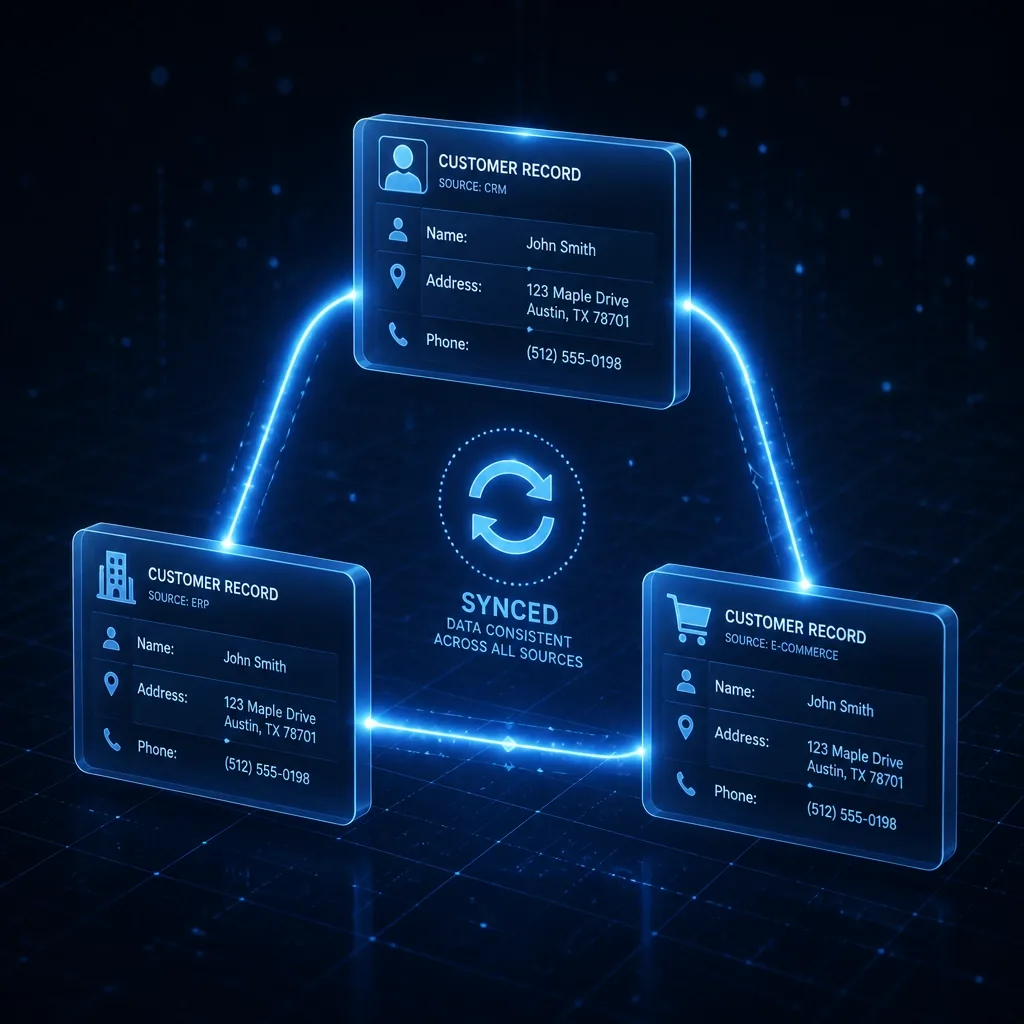
Stop using stock photos. Customers can spot a generic "handshake" or "office meeting" photo immediately. In a local market like Broken Arrow, people want to see your real office, your real team, and your real work.
Google also uses image recognition AI to understand what is in your photos. A stock photo of a generic house does nothing for your SEO. A real photo of a roof repair you did in the Rose District, geotagged to that location, tells Google exactly where you work and what you do.
The fix is to take your phone out and start shooting. Upload at least three to five new photos every month. Show the behind-the-scenes of your business. Authentic imagery is one of the best ways to get your business found on Google because it increases click-through rate, which is a significant ranking signal.
6. The Review Reply Gap
Everyone knows they need reviews, but many businesses fail to reply to them. Even worse, some only reply to the bad ones. Ignoring your 5-star reviews is a wasted opportunity.
Replying to a review sends a notification to the customer, which builds loyalty. More importantly, it shows Google that you are an active, responsive business owner. It also gives you a natural way to mention your services.
The fix is to reply to every review promptly. If someone says, "Great service," you can reply with, "Thanks, Mike! We loved helping you with your new HVAC installation here in Tulsa. Glad we could get it done before the summer heat hit." You just naturally included your service and your city in a way that does not look like spam.
7. Profile Stagnation and the 30-Day Drop
Google rewards freshness. If your last post was from 2023 and you have not updated your photos in a year, the algorithm assumes you might not be as relevant as the competitor down the street who posts weekly updates.
Many local accounts show a visibility dip when a business stops posting Updates, the social-media-style posts on your profile. These posts are not for followers. Nobody follows a Google Business Profile. They exist for the algorithm and for people who find you in a search.
The fix is to post one Update every week. It does not have to be a masterpiece. A photo of a finished project, a quick tip, or a holiday hours announcement is enough. It keeps the freshness signal high and gives customers a reason to trust that you are still very much in business.
Building a Profile That Actually Converts
Optimizing your Google Business Profile is not a one-time task. It is a recurring part of your business operations. Treat it like a chore and you will get mediocre results. Treat it like your primary lead generation engine and it will perform like one.
If you are not sure where your profile stands, a professional SEO audit is a good starting point. We can look at your local competitors, see exactly where they are outperforming you, and identify the technical fixes needed to close that gap.
A few technical oversights should not keep your business hidden from customers who are actively searching for you right now. Fix your NAP, get real photos up, and start responding to your customers. It makes a bigger difference than most people expect.