Does a Massive Website Really Matter in 2026?
There was a time in the early days of the web when business owners thought a website was like a physical office. The more rooms you had, the more successful you looked. If your competitor had ten pages, you wanted twenty. If they had twenty, you wanted fifty. We called it the "brochure-ware" era: more was always better.
By 2026, that thinking has been thoroughly tested and found wanting, especially here in the Tulsa and Broken Arrow market. People are not browsing your site to see how many sub-menus you can pack into a navigation bar. They are looking for an answer, a price, or a way to contact you. They are doing it on a phone while sitting in traffic on the Creek Turnpike or waiting for a table in the Rose District.
For a local business, a massive website is often more of a liability than an asset. It creates noise where there should be clarity. It slows down performance when speed is the only metric that keeps a visitor from hitting the back button.
The Quality Over Quantity Shift
Search engines have become remarkably good at identifying fluff. In the past, you could rank for a dozen different keywords by creating a dozen nearly identical pages. That strategy backfires now. Google and other search tools prioritize topical authority and user intent.
Five pages that are deep, well-researched, and genuinely helpful will almost always outrank a site with fifty pages of thin, generic content. For small business web design in Oklahoma, the goal is right-sizing. You need enough pages to cover your core services and locations, but not a single page more than necessary.
Every extra page you add is another page you have to maintain, update, and secure. For a busy business owner, a hundred-page site usually results in ninety pages of outdated information. That creates a poor user experience and signals to potential customers that you are not paying attention to the details.
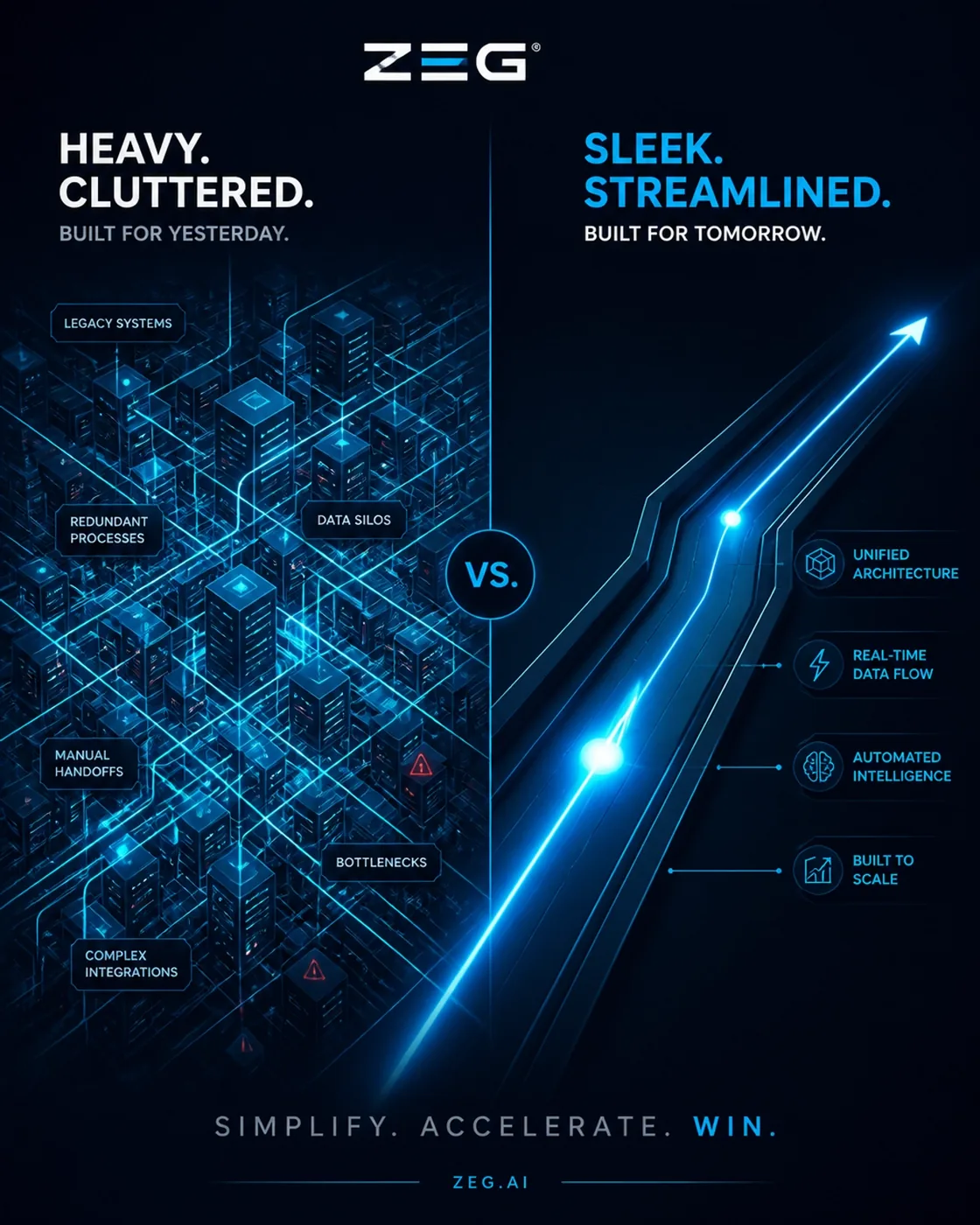
Performance Is the Real Ranking Factor
Performance is not a technical nice-to-have. It is the foundation of your digital presence. When a site is bloated with unnecessary pages, heavy images, and redundant scripts, load time suffers.
A lean, high-performance site loads fast on any device. This is why we focus on performance optimization rather than just adding more content. A three-page site that loads in under a second will convert more leads than a thirty-page site that takes four seconds to appear.
Every additional second of load time costs you a measurable share of your audience. People in Broken Arrow and Tulsa have high standards for digital speed. If your site feels sluggish, they will assume your service is too.
Strategic Scaling for Local Reach
There is one area where adding pages makes clear sense: local relevance. If you serve different communities, you want to be visible where your customers are searching. That has to be done with intention, though.
Instead of creating fifty generic pages for every suburb in the metro, focus on your primary markets. A dedicated page for responsive website design in Tulsa is far more valuable than a dozen thin pages for areas where you rarely work.
Each local page should feel distinct. Mention local landmarks, specific community needs, or the kind of projects common in that area. This builds trust. It shows you are a local partner who understands the neighborhood, not a generic agency running a template.

Is Your Current Site Working Against You?
If you already have a large website, a content audit is worth your time. Many business owners are surprised to find that the vast majority of their traffic concentrates on just three or four pages. The rest of the site is digital dead weight.
Signs that your site size is working against you: high bounce rates on secondary pages, slow overall load times, and a steady lack of new leads despite having plenty of content. We often see businesses struggling because they are managing a digital museum rather than a marketing tool. Our guide on the 5 signs your website is costing you customers walks through the most common patterns.
Finding the Right Fit
At Zenith Elevation Group, we size sites based on your actual business goals. We are not in the business of selling you a massive build just to inflate the project cost. Our models are built to grow with you:
- Starter Site: A high-impact, five-page foundation that covers the essentials without the bloat.
- Growth Site: A ten-page solution for businesses ready to go further into competitor research and lead capture.
- Premium Site: A twenty-page option for businesses that genuinely need the scale for e-commerce or extensive content updates.
Start with what you need to win today. You can add pages as your service list grows or your territory expands. A lean site now keeps you agile and keeps your performance scores where they need to be.

The Verdict for 2026
Does a massive website matter? Only if every single page serves a specific, measurable purpose. For the average local business in Oklahoma, "massive" is usually a synonym for "unmanaged."
Focus on speed. Focus on mobile-first design. Focus on clear calls to action that move a visitor from a search result to a phone call. If you can do that in five pages, you have a better website than the competitor trying to do it in fifty.
Not sure if your site is the right size or performing at the level it should? Get in touch and we can take a look together.